Building a Strong Brand Identity in Malaysia: A Practical Guide for SMEs
In Malaysia’s vibrant and competitive business landscape, standing out is not just an advantage – it’s a necessity. For Small and Medium-sized Enterprises (SMEs), which form the backbone of our economy, a strong brand identity is the key to carving out a unique space, attracting loyal customers, and fostering sustainable growth. Many Malaysian business owners understand the importance of marketing, but often overlook the foundational element that underpins all successful marketing efforts: a well-defined brand identity.
Imagine walking through a bustling pasar malam or scrolling through an e-commerce platform. What makes certain vendors or products catch your eye and resonate with you? More often than not, it’s a distinctive brand identity that communicates their values, personality, and promise at a glance. It’s not just about having a logo; it’s about the entire cohesive story your business tells.
This guide is crafted specifically for Malaysian business owners and marketing managers looking to elevate their brand presence. We’ll delve into what brand identity truly means, why it’s indispensable for your SME, and provide a practical, step-by-step approach to building one that truly connects with the diverse Malaysian consumer.
What is Brand Identity and Why is it Crucial for Your Malaysian Business?
Brand identity is the sum total of all the visible elements of a brand – such as logo, colour palette, typography, imagery, and messaging – that together communicate the brand’s unique personality, values, and purpose. It’s how your business presents itself to the world, shaping how customers perceive and interact with it.
More Than Just a Logo: The Components of Brand Identity
While a logo is often the most recognisable element, it’s just one piece of a larger puzzle. A comprehensive brand identity encompasses:
- Brand Purpose, Vision, and Values: The ‘why’ behind your business, its aspirations, and the principles that guide its operations.
- Brand Personality: The human characteristics attributed to your brand (e.g., friendly, innovative, luxurious, traditional).
- Target Audience: A clear understanding of who you are trying to reach, their demographics, psychographics, and cultural nuances in Malaysia.
- Brand Messaging and Tone of Voice: The consistent style and language used in all communications, whether formal or casual, English, Malay, Mandarin, or Tamil.
- Visual Identity: This includes your logo, colour schemes, typography, imagery style, and other graphic elements.
- Brand Experience: How customers interact with your brand at every touchpoint, from your website to customer service.
The Tangible Benefits for Malaysian SMEs
A well-crafted brand identity offers numerous advantages:
- Differentiation in a Crowded Market: In Malaysia’s competitive landscape, a strong brand helps you stand out from rivals, making your business memorable.
- Increased Brand Recognition and Recall: Consistent branding makes your business instantly recognisable, fostering familiarity and trust.
- Enhanced Credibility and Trust: A professional and cohesive brand signals reliability and quality, building confidence among Malaysian consumers.
- Customer Loyalty and Advocacy: When customers connect with your brand’s values and personality, they are more likely to become repeat buyers and recommend you to others.
- Premium Pricing Potential: Strong brands are often perceived as having higher value, allowing for better pricing strategies.
- Improved Marketing Effectiveness: A clear brand identity provides a solid foundation for all marketing efforts, ensuring consistency and greater impact.
Step-by-Step Guide to Crafting Your Brand Identity in Malaysia
Building a powerful brand identity requires a thoughtful and strategic approach. Here’s how Malaysian SMEs can go about it:
Understand Your Niche and Target Audience
Start by deeply understanding who you are serving.
- Market Research: Conduct thorough research on your target market within Malaysia. What are their demographics (age, income, location), psychographics (values, interests, lifestyle), and purchasing behaviours?
- Cultural Nuances: Malaysia is a multicultural nation. Consider how cultural backgrounds, languages, and religious observances might influence your audience’s preferences and perceptions. For instance, colours or symbols might have different meanings across various ethnic groups.
- Competitor Analysis: Identify your direct and indirect competitors. What are their strengths and weaknesses? How do they brand themselves? What gaps can your brand fill?
Define Your Brand Purpose, Vision, and Values
This is the soul of your brand.
- Purpose: Why does your business exist beyond making a profit? What problem do you solve, or what value do you bring to the community?
- Vision: Where do you see your brand in the future? What impact do you aspire to make?
- Values: What are the core principles that guide your business decisions and actions? Are they integrity, innovation, community, sustainability, or customer-centricity? Ensure these values resonate with Malaysian ethical standards and consumer expectations.
Develop Your Brand Messaging and Tone of Voice
How will your brand communicate?
- Key Messages: What are the core messages you want to convey about your products or services? What makes you unique?
- Tone of Voice: Define your brand’s personality through its language. Are you formal and authoritative, friendly and approachable, playful and innovative? This should be consistent across all platforms.
- Multilingual Considerations: Given Malaysia’s multilingual society, consider how your brand voice translates across languages (Malay, English, Mandarin, Tamil) if you cater to diverse groups. Ensure your messaging is culturally appropriate and avoids any misinterpretations.
Design Your Visual Identity (Logo, Colours, Typography)
This is where your brand comes to life visually.
- Logo: Your logo should be unique, memorable, versatile, and relevant to your brand and industry. It should ideally be simple enough to be recognised at various sizes and contexts.
- Colour Palette: Colours evoke emotions and associations. Research the cultural significance of colours in Malaysia. For example, red often signifies prosperity, while green can relate to nature or Islam. Choose a palette that aligns with your brand’s personality and appeals to your target audience.
- Typography: Select fonts that reflect your brand’s personality – modern, classic, bold, elegant. Consistency in font usage across all materials is key.
- Imagery Style: Define the type of photography, illustrations, or graphics that represent your brand. Do you use vibrant, candid shots or sleek, minimalist designs?
Establish Brand Guidelines
Once you’ve defined these elements, document them. A brand guideline document (or brand book) serves as a blueprint for anyone who works with your brand. It covers:
- Logo usage (sizes, clear space, forbidden uses)
- Colour codes (CMYK, RGB, Hex)
- Typography (primary and secondary fonts, usage)
- Imagery style and examples
- Tone of voice examples
- Do’s and Don’ts for brand application
This ensures consistency whether you’re working with internal teams, external designers, or marketing agencies.
Maintaining Brand Consistency Across All Touchpoints
A strong brand identity is only effective if it’s consistently applied everywhere your customers encounter your business. Inconsistency dilutes your message and confuses your audience.
Digital Presence (Website, Social Media, E-commerce)
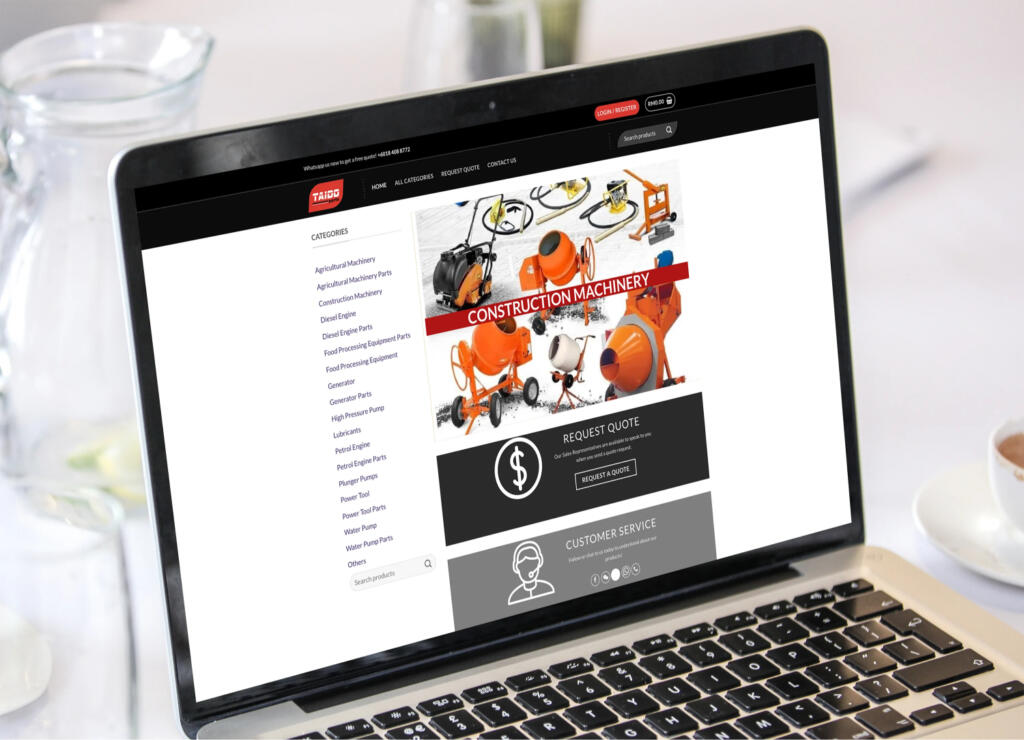
- Website: Your website is often the first interaction point for many customers. Ensure your logo, colours, fonts, and messaging are consistently applied throughout, creating a seamless user experience.
- Social Media: From your profile picture and cover photo to the style of your posts and engagement with followers, every element on platforms like Facebook, Instagram, LinkedIn, and TikTok should reflect your brand identity.
- E-commerce Platforms: If you sell online, your product listings, store design, and customer communications on platforms like Shopee, Lazada, or your own online store must maintain brand consistency.
Offline Presence (Storefronts, Packaging, Events)
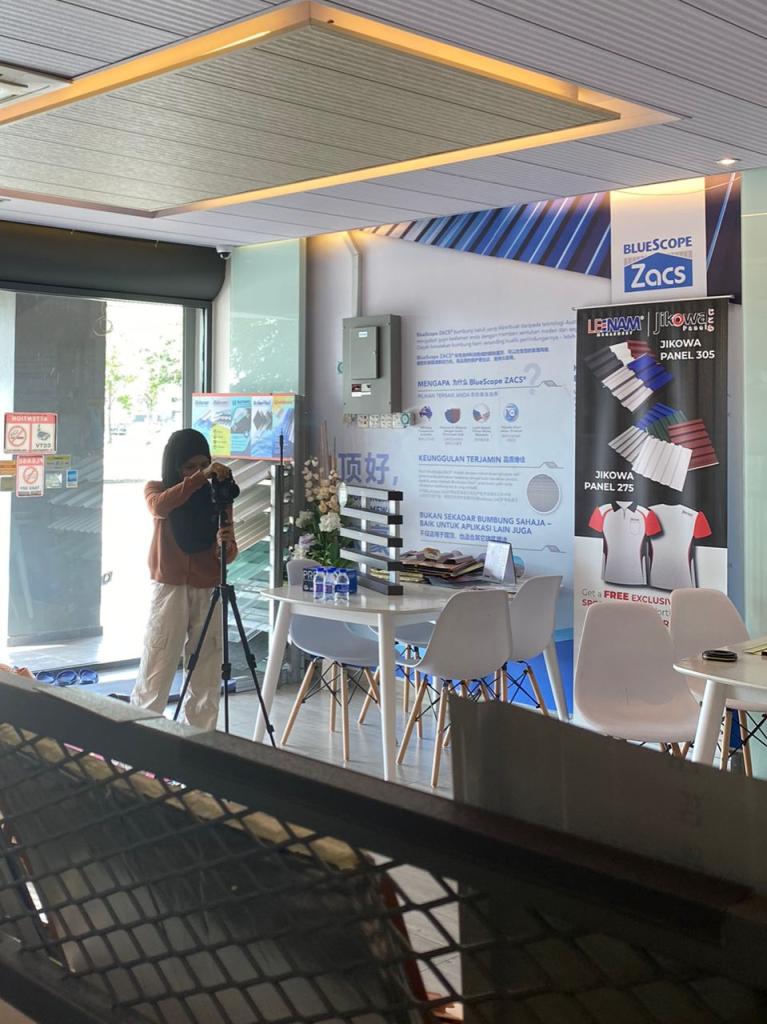
- Physical Locations: If you have a brick-and-mortar store or office, ensure your signage, interior design, and even employee uniforms align with your brand.
- Product Packaging: Packaging is a crucial brand touchpoint. It needs to be visually appealing, informative, and consistent with your overall brand identity.
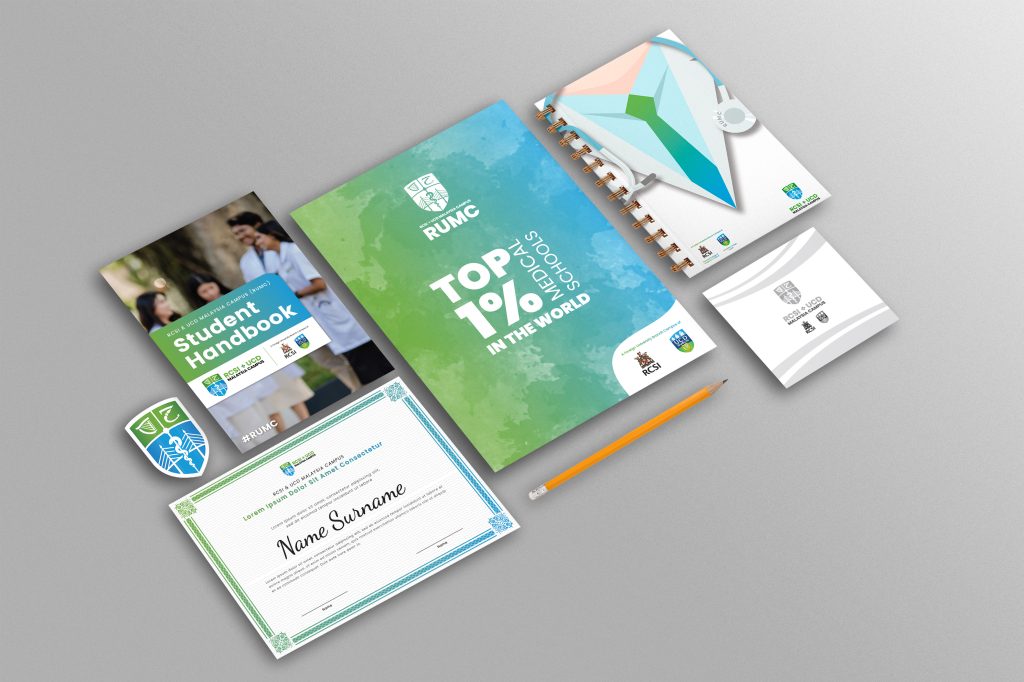
- Marketing Collateral: Business cards, brochures, flyers, banners for trade shows or events – all must adhere to your brand guidelines.
Employee Engagement and Internal Branding
Your employees are your brand ambassadors.
- Training: Educate your team on your brand’s purpose, values, and desired tone of voice. They should understand how to represent the brand in their interactions with customers.
- Internal Communications: Ensure internal communications also reflect the brand’s personality and values. A strong internal culture translates into a better external brand experience.
Common Branding Challenges for Malaysian SMEs and How to Overcome Them
Malaysian SMEs often face unique challenges in their branding journey.
Budget Constraints
Many SMEs operate with limited marketing budgets.
- Overcoming this: Prioritise. Start with the most critical elements like a professional logo and basic brand guidelines. Leverage affordable digital tools for social media presence. Consider government grants or programmes supporting SME development that may include branding components. Sometimes, a phased approach is more feasible than an all-at-once overhaul.
Cultural Sensitivity and Diversity
Navigating Malaysia’s rich cultural tapestry requires careful consideration.
- Overcoming this: Conduct thorough research and seek feedback from diverse groups within your target audience. Avoid stereotypes. Ensure your imagery and language are inclusive and respectful. If targeting specific ethnic groups, tailor your message thoughtfully, but always maintain a consistent core brand identity. When in doubt, simpler, universally appealing designs often work best.
Standing Out in a Crowded Market
With numerous businesses vying for attention, achieving distinctiveness can be tough.
- Overcoming this: Focus on your unique selling proposition (USP). What makes you different or better? Is it exceptional customer service, a unique product feature, a compelling brand story, or a specific niche you serve particularly well? Articulate this clearly through your brand identity. Invest in professional branding expertise to help you identify and highlight your differentiating factors.
Building a strong brand identity is an ongoing journey, not a one-time project. It requires consistent effort, adaptation, and a deep understanding of your market and your customers. For Malaysian SMEs, a well-defined brand identity is an invaluable asset that fosters trust, drives loyalty, and ultimately, fuels long-term success. By investing time and resources into crafting and maintaining your brand’s core, you position your business to thrive in Malaysia’s dynamic economy.
Need help defining your brand identity and making it resonate with the Malaysian market? Contact Kode Digital today to see how our expertise in design and branding can elevate your business.


 " />
" />
 " />
" />
 Max
|
February 4, 2026
|
Blog, Branding, Design
Max
|
February 4, 2026
|
Blog, Branding, Design




















 Singapore
 Australia