In today’s fiercely competitive Malaysian market, businesses across the Klang Valley, Penang, and Johor Bahru are constantly seeking innovative ways to stand out. From property developers showcasing future projects to product manufacturers needing to visualise designs, the challenge often lies in presenting concepts with unparalleled clarity, impact, and cost-efficiency. This is where 3D rendering services emerge as a powerful tool, but knowing when to strategically integrate them into your operations is key to truly unlocking their potential.
When It Makes Sense to Invest in 3D Rendering
The decision to invest in 3D rendering isn’t a frivolous one; it’s a strategic move that delivers significant advantages in specific scenarios. Consider these situations where 3D rendering can become an indispensable asset for your Malaysian business:
- Property Development & Real Estate: Imagine trying to sell a luxurious condominium in KLCC or a sprawling landed property in Petaling Jaya before construction even begins. Traditional blueprints and sketches simply won’t capture the grandeur. High-fidelity 3D architectural visualisations, virtual walkthroughs, and interactive floor plans allow potential buyers to experience their future home, accelerating sales cycles and commanding premium prices. It eliminates ambiguity and builds trust long before the first brick is laid.
- Product Design & Manufacturing: Developing a new furniture line for Malaysian homes or a cutting-edge electronic gadget? Physical prototyping can be incredibly expensive and time-consuming, especially for numerous iterations. 3D rendering allows designers to create photorealistic images and animations of products, test different materials and finishes, and gather market feedback before committing to costly production runs. This streamlines the design process, reduces waste, and helps bring innovative products to market faster.
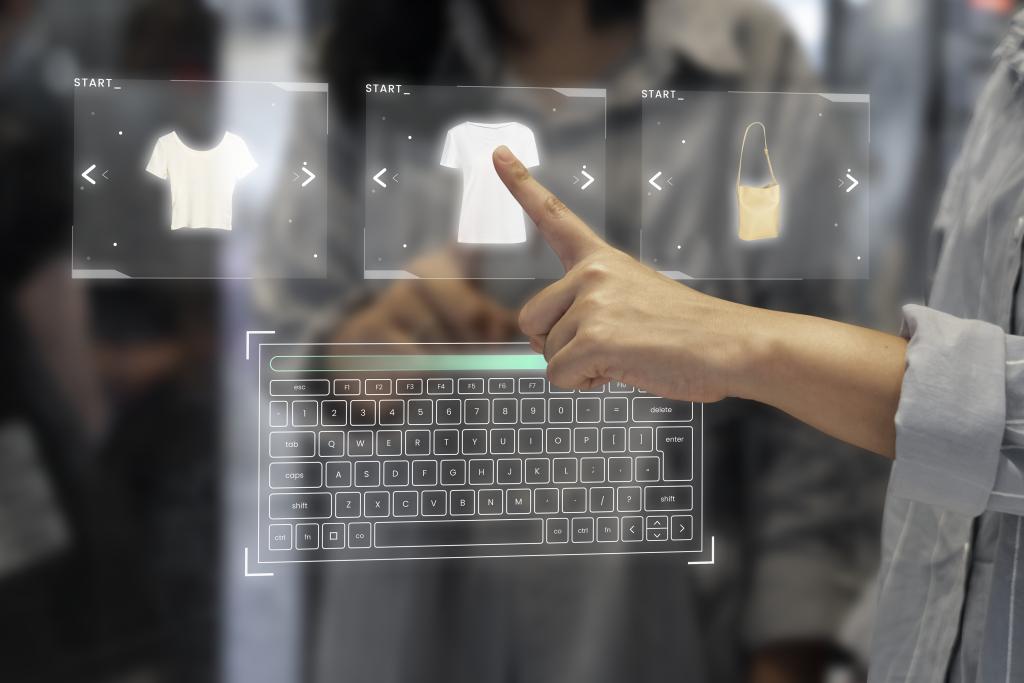
- E-commerce & Retail: Online shoppers are visually driven. Generic product photos often fail to convey the true texture, scale, or functionality of an item. 3D rendering empowers businesses to create stunning, interactive product visualisations – allowing customers to rotate items, zoom in on details, or even customise colours and configurations. This enriched experience can significantly boost conversion rates and reduce returns, particularly for furniture, fashion accessories, or bespoke items sold across Malaysia.
- Marketing & Advertising: Standing out in a crowded digital landscape requires captivating content. Whether you’re a digital marketing agency creating campaigns for local brands or an in-house team, 3D renders offer unparalleled flexibility for advertisements. You can create dynamic animations, high-resolution stills for brochures, or engaging content for social media, all without the logistical headaches and costs associated with traditional photoshoots or video productions. This is particularly effective for launching new products or services in a memorable way.
- Interior Design & Space Planning: For interior designers working on residential or commercial projects in Penang or Johor Bahru, presenting concepts to clients can be challenging. 3D interior renderings provide a clear, immersive preview of the proposed design, including lighting, materials, and furniture placement. This minimises misunderstandings, ensures client satisfaction, and significantly reduces the need for costly revisions during the execution phase.
Key Evaluation Factors for Malaysian Businesses
Deciding if 3D rendering is the right move for your business in Malaysia requires a structured approach. Here’s a practical framework to guide your evaluation:
- Project Complexity & Visualisation Needs:
- Is your concept inherently difficult to explain or illustrate using traditional methods like sketches, photographs, or written descriptions?
- Does your product or architectural design involve intricate details, unique textures, or specific lighting conditions that need to be accurately conveyed?
- Are you trying to demonstrate functionality, a user journey, or a spatial relationship that static images cannot capture?
- Target Audience Expectations:
- Do your customers or clients expect a premium, high-tech presentation? Are they accustomed to rich visual experiences from competitors?
- Is your market segment digitally savvy and likely to engage more with interactive or visually stunning content?
- Will clearer visual communication reduce the perception of risk for your audience (e.g., buying off-plan property)?
- Budget, Timeline, and Resource Allocation:
- How does the cost and time involved in 3D rendering compare to alternative methods like physical prototyping, elaborate photoshoots, or even building a temporary showroom?
- Can 3D assets be reused across multiple marketing channels and future projects, justifying the initial investment?
- Do you have the in-house expertise, or will you partner with a specialist digital agency in Malaysia that offers these services?
- Competitive Landscape & Market Positioning:
- Are your direct competitors already using 3D rendering to showcase their offerings? If so, not using it might put you at a disadvantage.
- Can 3D rendering help you differentiate your brand, establishing you as an innovator or a leader in your sector?
- Does adopting this technology align with your brand’s long-term vision and market positioning goals?
- Scalability and Future Use of Assets:
- Once created, can your 3D models be easily adapted for virtual reality (VR) experiences, augmented reality (AR) apps, or future product variations?
- Will having a digital library of 3D assets streamline future marketing efforts or product development cycles?
Realistic ROI Expectations from 3D Rendering
Investing in 3D rendering services can yield substantial returns, often beyond just aesthetic appeal. Understanding the potential ROI helps Malaysian businesses justify the expenditure and measure success:
- Accelerated Sales Cycles & Increased Conversions: For industries like real estate and high-value product sales, high-quality 3D renders significantly reduce the buyer’s mental leap. When a customer can clearly visualise a product or space, their confidence increases, leading to faster purchasing decisions and higher conversion rates. This translates directly to boosted revenue.
- Reduced Prototyping and Production Costs: Before 3D rendering, a new product might require several expensive physical prototypes. By validating designs, identifying flaws, and making revisions in a virtual environment, businesses can drastically cut down on material costs, labour, and time associated with traditional prototyping.
- Enhanced Brand Perception and Trust: Companies that present their offerings with professional, photorealistic 3D visuals are often perceived as more innovative, reliable, and detail-oriented. This elevated brand image builds trust with local consumers and can help command higher price points. It signals a commitment to quality and cutting-edge presentation.
- Higher Engagement in Marketing Campaigns: Visually rich content, particularly animations and interactive 3D models, captures attention more effectively than static images or text. This leads to higher click-through rates, longer viewing times, and better overall performance for your digital marketing initiatives, contributing to improved brand recall and lead generation.
- Minimised Errors and Rework: In design and construction, miscommunications can be incredibly costly. 3D renderings provide an unambiguous visual blueprint, ensuring all stakeholders—clients, contractors, and internal teams—are on the same page. This drastically reduces the likelihood of costly errors, change orders, and project delays. For instance, a website design Penang project showcasing custom products would benefit immensely from clear 3D renders to avoid misinterpretations from clients.
- Global Market Reach: With stunning 3D visualisations, your Malaysian business can effectively showcase products or properties to an international audience without the need for physical presence or costly global photoshoots, opening up new export opportunities.
How AI is Changing the 3D Rendering Equation
Artificial Intelligence (AI) is rapidly transforming the landscape of 3D rendering, making it more accessible, efficient, and sophisticated for businesses of all sizes:
- Accelerated Workflow and Automation: AI-powered tools can automate tedious and time-consuming aspects of 3D rendering, such as texture mapping, material application, and scene setup. What once took hours of manual adjustments can now be done in minutes, freeing up valuable designer time to focus on creative nuances.
- Enhanced Realism and Optimisation: AI algorithms are becoming incredibly adept at generating more realistic lighting, shadows, and reflections. They can analyse scenes and suggest optimal rendering settings, leading to higher quality outputs with less computational power. This means faster rendering times and potentially lower infrastructure costs for complex projects.
- Generative AI for Content Creation: The advent of generative AI allows users to describe a scene or object with text prompts, and the AI can generate a basic 3D model or even a fully rendered image from scratch. While still evolving, this capability could significantly democratise 3D content creation, making it easier for businesses without dedicated 3D artists to visualise ideas. This directly ties into the broader advancements in ai marketing, where content generation is becoming increasingly automated and personalised.
- Smart Asset Libraries and Optimisation: AI can help organise vast libraries of 3D assets, making them easily searchable and retrievable. It can also optimise models for different platforms (e.g., web, mobile, VR), ensuring they load quickly and perform efficiently without compromising visual quality.
- Democratising Access: AI is lowering the barrier to entry for 3D rendering. With increasingly user-friendly interfaces and automated features, even businesses without in-house 3D specialists can leverage these tools, perhaps working with a digital marketing agency that integrates these AI-driven capabilities. This allows more Malaysian SMEs to harness the power of advanced visual content.
Your Business Readiness Checklist for 3D Rendering
Before diving into 3D rendering, ensure your business is prepared to maximise its benefits. This checklist will help you assess your internal readiness:
- Clear Project Objectives:
- Have you clearly defined what you want to achieve with 3D rendering? (e.g., increase sales, enhance brand image, reduce prototyping costs).
- Are your goals specific, measurable, achievable, relevant, and time-bound (SMART)?
- Availability of Source Data:
- Do you have access to accurate blueprints, CAD files, sketches, or high-resolution photographs of the products or spaces to be rendered?
- Is this data organised and easily shareable with your 3D rendering partner?
- Understanding of Target Audience and Message:
- Do you have a clear picture of who your visual content is for and what message you want to convey?
- What specific emotions or actions do you want your 3D renders to evoke?
- Budget Allocation and ROI Expectations:
- Have you allocated a realistic budget for 3D rendering services, considering both the initial investment and potential future iterations?
- Do you have metrics in place to track the ROI of your 3D rendered content (e.g., website conversions, sales figures, social media engagement)?
- Internal Stakeholder Buy-in:
- Do key decision-makers and teams (e.g., marketing, product development, sales) understand the value of 3D rendering and are they prepared to integrate it into their workflows?
- Is there a designated project manager to oversee the rendering process and facilitate communication?
- Willingness to Embrace New Workflows:
- Is your team open to adopting new processes for content creation and approval that might differ from traditional methods?
- Are you prepared to provide timely feedback during the rendering process to ensure the final output meets your vision?
For Malaysian businesses aiming to thrive in an increasingly visual world, 3D rendering isn’t just a trend—it’s a powerful strategic asset. By carefully evaluating your needs against these factors, you can make an informed decision, ensuring that your investment translates into tangible growth and a distinctive competitive edge. The future of visual communication is here, and your business has the opportunity to lead the way.
Disclaimer: The information provided in this article is for general informational purposes only and does not constitute professional business or financial advice. Businesses should conduct their own due diligence and consult with relevant experts before making strategic decisions.


 " />
" />
 " />
" />
 Max
|
May 23, 2026
|
Blog
Max
|
May 23, 2026
|
Blog

















 Singapore
 Australia