Our top-tier consultancy services provide strategic guidance to elevate your entire digital presence.
Learn More


 " />
" />
 " />
" />
 Max
|
February 13, 2026
|
AR/VR
Max
|
February 13, 2026
|
AR/VR

Contents
The landscape of marketing and customer engagement in Malaysia is evolving at an unprecedented pace. With consumers becoming more digitally savvy and experiences-driven, businesses are constantly searching for innovative ways to capture attention, foster loyalty, and drive conversions. Enter Augmented Reality (AR) and Virtual Reality (VR) – technologies once confined to science fiction and gaming, but now poised to revolutionise how Malaysian businesses connect with their audience.
Far from being mere novelties, AR and VR offer powerful tools for creating immersive, interactive, and memorable experiences. For Malaysian business owners and marketing managers, understanding and strategically implementing these technologies isn’t just about staying competitive; it’s about unlocking new frontiers of engagement that can significantly impact your bottom line.
While the initial buzz around AR and VR might have been about futuristic gadgets, their real value lies in their ability to solve genuine business challenges. In a market as dynamic as Malaysia, these technologies provide distinct advantages.
Malaysian consumers are increasingly digital-native, comfortable with online shopping, social media, and interactive content. They seek personalisation, convenience, and memorable brand interactions. AR and VR deliver on these expectations by offering highly engaging content that goes beyond traditional static ads or videos. They allow consumers to “try before they buy,” explore products in detail, or virtually step into a brand’s world, creating a much deeper connection.
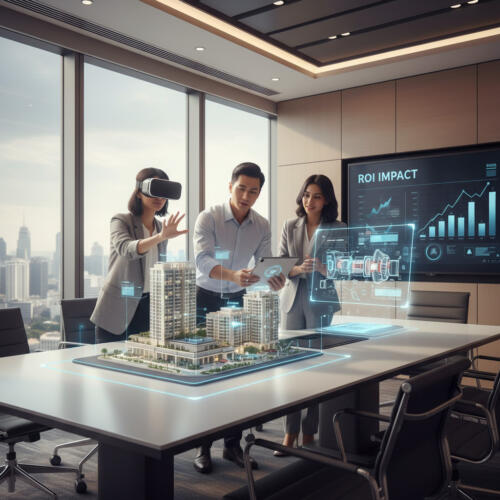
From bustling retail sectors to diverse service industries, Malaysian businesses face intense competition. Generic marketing strategies often get lost in the noise. AR and VR provide a powerful differentiator, enabling brands to offer unique experiences that resonate with customers, generate buzz, and foster brand recall. Imagine a property developer offering a virtual tour of an unbuilt condominium, or a furniture store letting customers visualise a new sofa in their living room via their smartphone. These are not just cool features; they are potent marketing tools that cut through the clutter.
Augmented Reality overlays digital information onto the real world, typically viewed through a smartphone or tablet camera. Its accessibility and integration with everyday devices make it particularly powerful for widespread marketing campaigns in Malaysia.
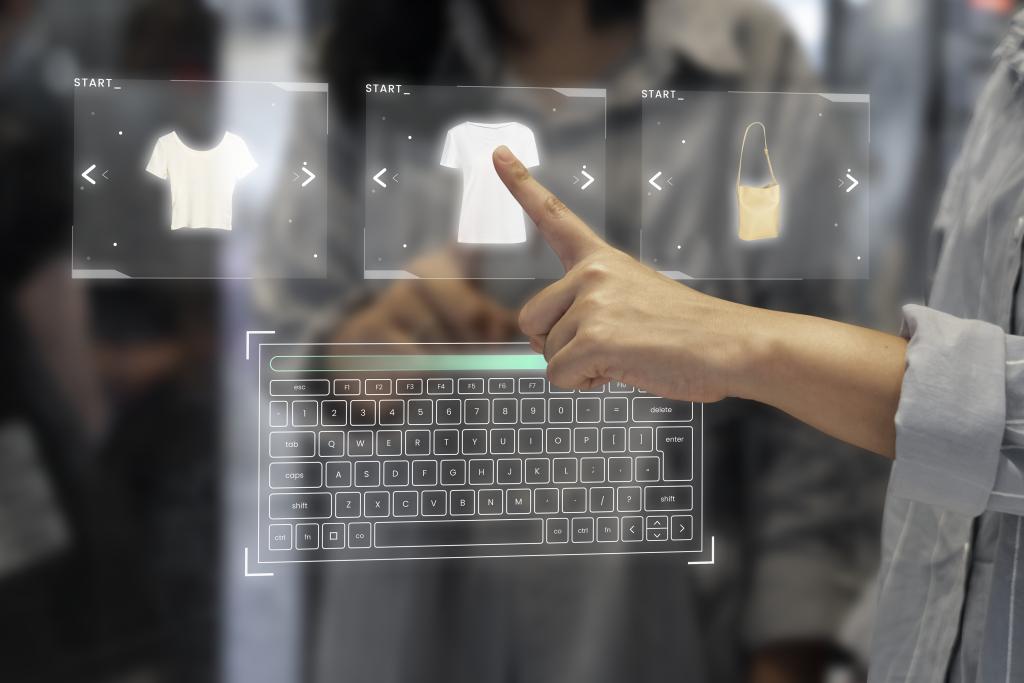
This is perhaps one of AR’s most impactful applications. Retailers, automotive companies, and furniture brands in Malaysia can allow customers to visualise products in their own environment.
AR can transform a regular shopping trip into an interactive adventure.
Move beyond static billboards or print ads. AR can bring print media, packaging, and outdoor advertising to life.
Leverage AR for geo-targeted campaigns, particularly relevant in Malaysia’s vibrant urban centres.
Virtual Reality, which fully immerses users in a simulated environment, offers an unparalleled level of experiential marketing, though it often requires dedicated headsets. For high-value purchases or brand storytelling, VR provides deep engagement.
For real estate developers and automotive brands, VR can be a game-changer.
VR allows brands to tell their story in a completely new dimension, creating powerful emotional connections.
While not strictly marketing, using VR for internal training can significantly enhance a company’s image as an innovator, making it more attractive to potential employees and partners. It demonstrates a commitment to cutting-edge technology and employee development, indirectly boosting your brand’s appeal.
The prospect of adopting AR/VR might seem daunting, but a strategic approach can make it manageable and highly effective for Malaysian businesses.
Before diving into the technology, ask what you aim to achieve. Is it increased brand awareness, higher sales conversions, improved customer service, or better lead generation? Clear objectives will guide your AR/VR development and help measure success.
Who are your target customers? What devices do they use? What kind of content do they engage with? An AR experience designed for Gen Z might differ significantly from one aimed at corporate clients. Tailor the experience to their preferences and technological readiness.
Developing robust AR/VR applications requires specialised skills in 3D modelling, programming, user experience (UX) design, and strategic thinking. Collaborating with an experienced digital agency like Kode Digital, which understands both the technology and the Malaysian market, is crucial for successful implementation. They can help you navigate the complexities and ensure your investment yields tangible results.
You don’t need to launch a multi-million-ringgit VR experience immediately. Consider a pilot AR project, such as an interactive product catalogue or a gamified in-store promotion, to test the waters, gather user feedback, and refine your strategy before scaling up.
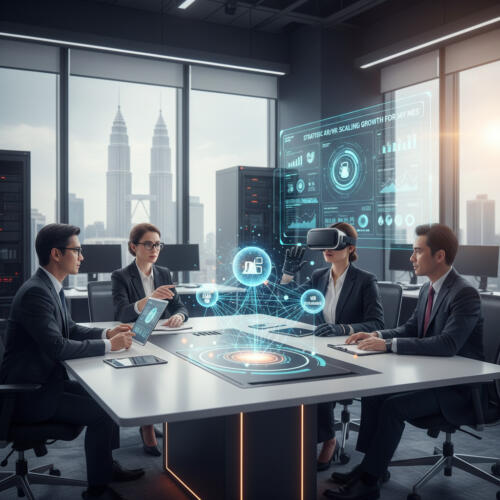
Malaysia’s rapidly growing digital economy and tech-savvy population provide fertile ground for AR and VR adoption. Local businesses that embrace these technologies early can gain a significant competitive edge, positioning themselves as modern, customer-centric, and forward-thinking. As the cost of development becomes more accessible and consumer devices become more powerful, AR and VR are no longer luxuries but essential tools for future-proofing your marketing strategy.
Augmented Reality and Virtual Reality offer Malaysian business owners and marketing managers an unprecedented opportunity to redefine customer engagement. By moving beyond traditional methods and embracing these immersive technologies, you can create memorable brand experiences, drive deeper connections, and ultimately achieve sustainable growth in an increasingly digital world. The future of marketing is interactive, personal, and profoundly engaging – and it’s happening now.
Ready to explore how Augmented Reality and Virtual Reality can elevate your marketing and engage your customers in Malaysia? Contact Kode Digital today for a tailored consultation.
353-3 Jalan C. Y. Choy,
10300 George Town,
Penang, Malaysia.
A-16-8 Tropicana Avenue,
No 12 Persiaran
Tropicana, PJU 3, 47410
Petaling Jaya, Selangor.
















 Singapore
 Australia