Our top-tier consultancy services provide strategic guidance to elevate your entire digital presence.
Learn More


 " />
" />
 " />
" />
 Max
|
April 26, 2026
|
Blog
Max
|
April 26, 2026
|
Blog

Contents
Remember that feeling of chasing down an email chain for a critical document, or the frustration of a company-wide announcement getting lost in a sea of chat messages? For many growing Malaysian businesses, this daily struggle isn’t just annoying; it’s a productivity drain that silently erodes employee engagement and slows strategic execution. In 2026, the answer to these challenges isn’t just a platform, it’s a dynamic digital ecosystem.
Imagine a rapidly expanding Malaysian furniture manufacturer, “FurniTech Sdn. Bhd.”, based in Sungai Buloh, with design teams in Penang, sales offices in Johor Bahru, and a growing remote workforce across the Klang Valley. Their conventional communication relies heavily on scattered email threads, WhatsApp groups, and an outdated shared drive. New product specifications get lost, HR policies are hard to find, and company announcements reach some employees days late. Sales teams struggle to access the latest pricing, and onboarding new hires is a disjointed nightmare.
This isn’t just a FurniTech problem; it’s a universal challenge for growing businesses. The core business problem a modern intranet solves is fragmentation – fragmentation of information, communication, and culture. It transforms disparate tools into a unified digital workspace, centralising:
For FurniTech, a modern intranet would mean their Penang designers instantly see updates from production, sales teams in Johor Bahru always have the latest product catalogue, and new hires can find all necessary onboarding documents and connect with colleagues effortlessly. It transforms a disparate collection of individuals into a cohesive, informed, and engaged team.
Despite the clear benefits, many businesses still stumble when implementing or maintaining an intranet. The pitfalls often stem from a fundamental misunderstanding of what an intranet should be. Here’s where businesses typically miss the mark:
1. Treating it as a Digital Filing Cabinet: The most common mistake is seeing the intranet merely as a place to dump documents. If it’s just a static repository without interactive elements, clear navigation, or updated content, employees won’t use it. It becomes another unused digital graveyard.
2. Lack of Clear Strategy and Governance: Without defined goals, roles, and responsibilities for content creation, approval, and archiving, the intranet quickly becomes cluttered, outdated, and untrustworthy. Who owns what content? How often is it reviewed? Without answers, chaos ensues.
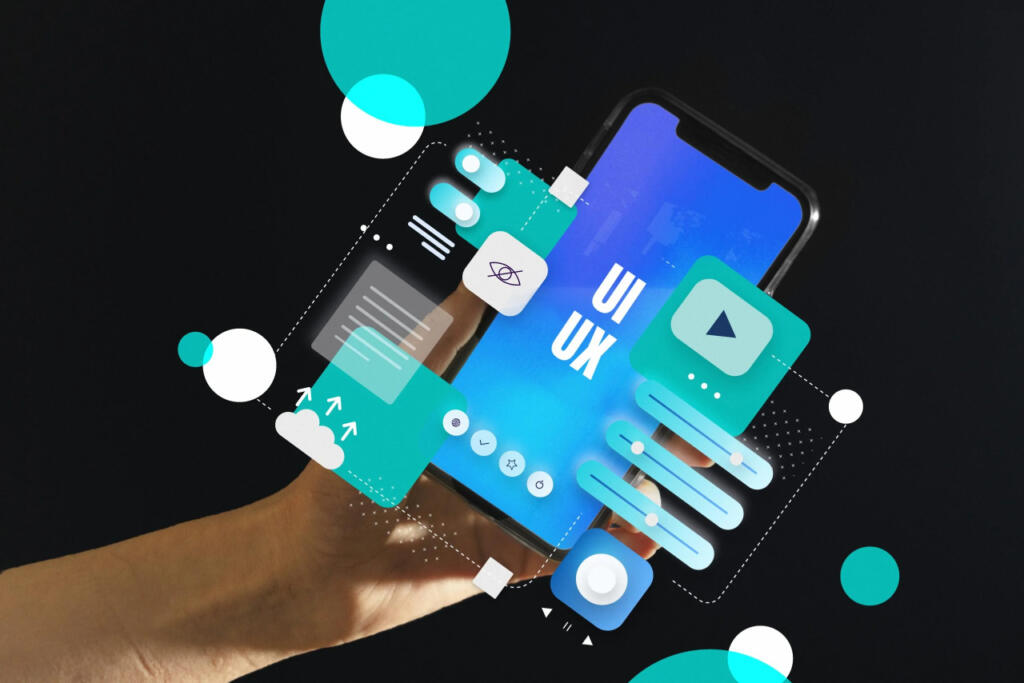
3. Ignoring User Experience (UX) and Adoption: If the intranet is hard to navigate, visually unappealing, or doesn’t solve real employee pain points, adoption will be low. Employees will revert to familiar, albeit inefficient, methods. A clunky interface and a poor search function are sure ways to kill enthusiasm.
4. Insufficient Leadership Buy-in and Promotion: If senior management doesn’t actively use, champion, and contribute to the intranet, employees will perceive it as non-essential. It needs to be seen as the “go-to” source for official information and critical updates.
5. One-Time Launch Mentality: An intranet is not a “set it and forget it” solution. It requires ongoing maintenance, content updates, feature enhancements, and responsiveness to user feedback to remain relevant and valuable. Neglecting this continuous evolution is a critical misstep.
These mistakes can turn a potentially powerful tool into an expensive, underutilised white elephant, further frustrating employees and failing to address the initial problems it was meant to solve.
Building an intranet that truly works requires a strategic approach. Here’s a practical framework to guide Malaysian businesses towards a thriving digital workplace:
Start by clearly articulating the core problems you need to solve and the specific outcomes you aim to achieve. What are your key pain points (e.g., poor internal communication, difficulty finding information, low employee engagement)? Who are your primary user groups (e.g., HR, Sales, Production, Remote Teams) and what are their specific needs? Conduct surveys, focus groups, and interviews to gather insights. A good digital marketing agency will often help define user personas and journeys, even for internal platforms, to ensure the intranet is truly user-centric.
Once you know your users and goals, plan your content. What information is essential? How will it be structured so users can find it intuitively?
Think beyond just documents – include news feeds, event calendars, employee profiles, and interactive forms.
A functional intranet is good; an engaging one is transformative. Focus on creating an intuitive, visually appealing, and responsive design that encourages daily use.
A great website design firm would emphasise this UX aspect, ensuring the internal platform is as intuitive as a public-facing site.
The launch is just the beginning.
This continuous improvement cycle ensures the intranet remains a living, valuable asset.
The rapid advancements in artificial intelligence are revolutionising how intranets function, making them smarter, more personalised, and incredibly efficient. For Malaysian businesses looking to stay ahead, integrating AI capabilities into their intranet strategy is becoming essential.
The integration of AI transforms the intranet from a passive information hub into an active, intelligent partner in employee experience and operational excellence. Businesses partnering with a forward-thinking digital agency in Malaysia will find these AI capabilities a core part of their modern intranet discussion.
Investing in a modern intranet is a significant strategic move. How do you know if your organisation is truly ready to reap its full benefits? Look for these internal readiness signals:
If several of these signals resonate with your business, then 2026 is likely the year to seriously consider embracing a modern intranet.
—
A modern intranet, powered by thoughtful strategy and emerging AI capabilities, is no longer just a “nice-to-have.” It’s a foundational pillar for agile, engaged, and productive Malaysian businesses in 2026. By centralising communication, streamlining knowledge, and fostering a true sense of community, it empowers your workforce to achieve more, together. The future of work is connected, and your intranet is the heart of that connection.
353-3 Jalan C. Y. Choy,
10300 George Town,
Penang, Malaysia.
A-16-8 Tropicana Avenue,
No 12 Persiaran
Tropicana, PJU 3, 47410
Petaling Jaya, Selangor.


















 Singapore
 Australia