Our top-tier consultancy services provide strategic guidance to elevate your entire digital presence.
Learn More


 " />
" />
 " />
" />
 Admin
|
December 22, 2025
|
Blog
Admin
|
December 22, 2025
|
Blog

Contents
In Malaysia’s vibrant and increasingly competitive digital landscape, capturing and retaining customer attention is a continuous challenge. Traditional, one-size-fits-all marketing approaches are becoming less effective as consumers grow savvier and their expectations for relevant, timely interactions soar. Malaysian business owners and marketing managers are constantly seeking innovative strategies to stand out, build stronger connections, and drive measurable results. This is where hyper-personalisation steps in – not just as a trend, but as a fundamental shift in how businesses connect with their audience.
Imagine every customer touchpoint feeling like a bespoke conversation, tailored specifically to their individual needs, preferences, and past behaviours. This isn’t science fiction; it’s hyper-personalisation, and it’s rapidly becoming the cornerstone of successful digital marketing campaigns across various industries. For businesses operating in Malaysia, understanding and implementing hyper-personalisation strategies can be the key differentiator that unlocks unprecedented levels of engagement, customer loyalty, and ultimately, sales growth. From the bustling streets of Kuala Lumpur to the serene coasts of Langkawi, consumers are interacting with brands in a multitude of ways, leaving digital footprints that, when analysed effectively, can power incredibly precise and impactful marketing efforts.
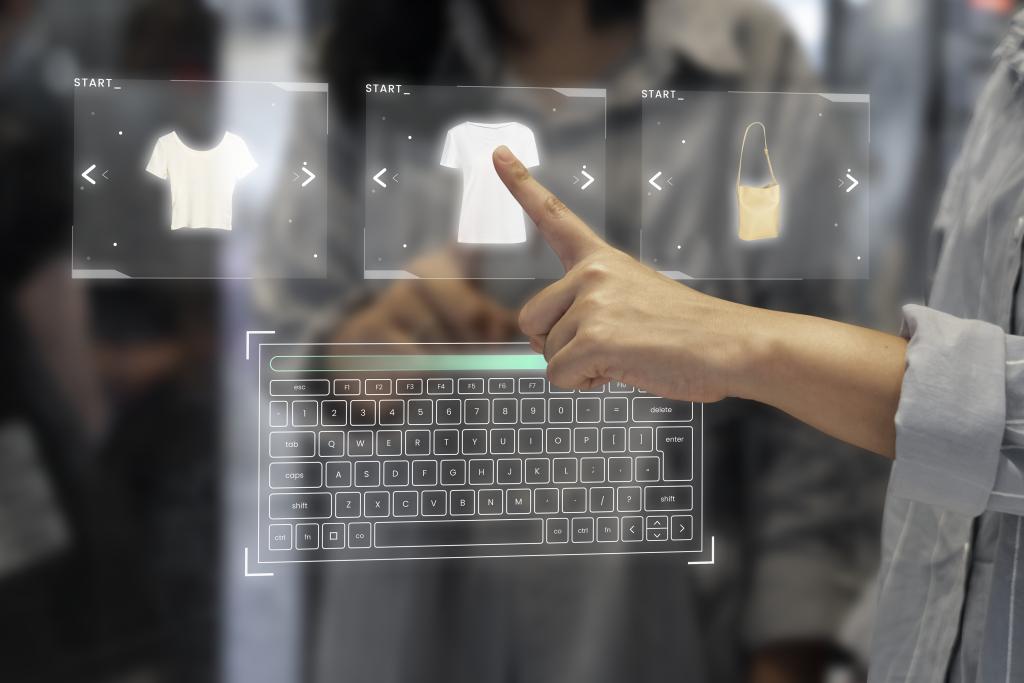
Hyper-personalisation takes traditional personalisation several steps further. While basic personalisation might address a customer by their first name in an email or recommend products based on broad demographic data, hyper-personalisation leverages real-time data, advanced analytics, and artificial intelligence (AI) to deliver highly relevant and unique experiences at an individual level. It’s about predicting needs, anticipating desires, and providing solutions before a customer even explicitly asks.
For Malaysian businesses, this means moving past general segments like “young urban professionals” or “families with children.” Instead, hyper-personalisation delves into specific behaviours: what a particular customer browsed on your website minutes ago, what they purchased last month, their preferred communication channel, their location at a specific time, and even the type of content they engage with most on social media. This granular understanding allows for the creation of marketing messages and offers that resonate deeply because they feel intrinsically relevant to the individual. In a multicultural country like Malaysia, where consumer preferences can vary significantly across ethnic groups, regions, and even language, this nuanced approach is invaluable for avoiding generic messaging that can alienate segments of your audience.
Malaysian consumers are increasingly digital-native and sophisticated. They are exposed to global brands and expect similar levels of convenience, speed, and relevance from local businesses. Generic ads or irrelevant content are often ignored, leading to decreased engagement and wasted marketing spend. Hyper-personalisation addresses this by ensuring that every interaction, whether it’s an ad on Facebook, a product recommendation on an e-commerce site, or an email update, adds value to the customer’s journey. This fosters a sense of being understood and valued, which is crucial for building lasting brand loyalty in a market where choice is abundant.
In Malaysia, the digital marketing arena is becoming increasingly crowded. From SMEs to large corporations, everyone is vying for attention. Hyper-personalisation provides a significant competitive advantage. Businesses that can consistently deliver highly relevant and engaging experiences will naturally attract and retain more customers than those relying on less sophisticated methods. It allows brands to forge deeper emotional connections, turning casual browsers into loyal advocates and significantly improving conversion rates and customer lifetime value.
Implementing a successful hyper-personalisation strategy requires a robust foundation built upon data, technology, and a customer-centric mindset. For Malaysian businesses, understanding these pillars is the first step towards transforming their digital marketing efforts.
The heart of hyper-personalisation lies in comprehensive and intelligent data collection. This includes first-party data (data you collect directly from your customers) such as purchase history, website browsing behaviour, email interactions, app usage, and customer support queries. It also encompasses zero-party data – information customers willingly share about their preferences. Always ensure your data collection practices are transparent, ethical, and respect user privacy. While we cannot advise on specific legal compliance, it’s generally good practice to be transparent about what data is collected and how it’s used, obtaining consent where appropriate.
Beyond collection, the ability to analyse this data is paramount. Businesses need to transform raw data into actionable insights, identifying patterns, predicting future behaviours, and segmenting customers based on increasingly specific criteria. This involves looking beyond basic demographics to understand psychographics, purchase intent, and brand affinity within the diverse Malaysian consumer base.
To process vast amounts of data in real-time and deliver personalised experiences at scale, businesses require the right technological infrastructure. This typically includes:
With data and technology in place, the next step is to create and deliver content and offers that are genuinely tailored. This goes beyond changing a name in an email. It means:
Now that we understand the ‘what’ and ‘why’, let’s explore tangible strategies for Malaysian businesses to integrate hyper-personalisation into their digital marketing efforts.
Your website is often the first major interaction point for a potential customer.
Email remains a powerful channel for direct communication.
Leverage the powerful targeting capabilities of platforms like Facebook, Instagram, and TikTok, which are highly popular in Malaysia.
For online retailers in Malaysia, hyper-personalisation can dramatically improve conversion rates and average order value.
While the benefits are clear, implementing hyper-personalisation is not without its challenges. Malaysian businesses need to be prepared to address these.
As mentioned, transparency and ethical data handling are paramount. Customers are increasingly aware of their data rights. Businesses must ensure they are collecting and using data responsibly, clearly communicating their privacy policies, and providing options for customers to manage their data preferences. Building trust is essential for long-term customer relationships.
Implementing hyper-personalisation requires investment in suitable technologies and potentially skilled personnel to manage and analyse data. Smaller businesses might start with more accessible tools and gradually scale up. Integrating various systems (CRM, e-commerce, marketing automation) can be complex but is crucial for a unified customer view.
It’s vital to continuously monitor the performance of your personalised campaigns. Track key metrics such as conversion rates, customer lifetime value, email open rates, click-through rates, and customer satisfaction. Use A/B testing to compare personalised approaches against non-personalised ones. Hyper-personalisation is not a one-time setup; it’s an ongoing process of learning, optimising, and adapting based on data insights and evolving consumer behaviour in the Malaysian market.
Hyper-personalisation is no longer a luxury; it’s fast becoming a necessity for any Malaysian business aiming to thrive in the digital age. By moving beyond generic communications and embracing data-driven, individualised experiences, businesses can foster deeper customer relationships, significantly boost engagement, and drive sustained growth. The power to connect with each customer on a truly personal level is within reach, transforming marketing from a broad broadcast into a series of meaningful conversations. Embracing this shift will not only meet the evolving expectations of Malaysian consumers but also position your brand as a leader in a competitive market.
Ready to explore how hyper-personalisation can transform your digital marketing strategy? Contact Kode Digital today for a consultation tailored to your business needs.
353-3 Jalan C. Y. Choy,
10300 Georgetown,
Penang, Malaysia.
A-16-8 Tropicana Avenue,
No 12 Persiaran
Tropicana, PJU 3, 47410
Petaling Jaya, Selangor.












 Singapore
 Australia